Wize Owl Original · news
Khayelitsha's Extortion Problem Is Disrupting Services and Squeezing Local Business
Newsroom ZA reports that extortion in Khayelitsha is no longer just a criminal nuisance. It is affecting construction, repairs, clinics and informal traders, while also r
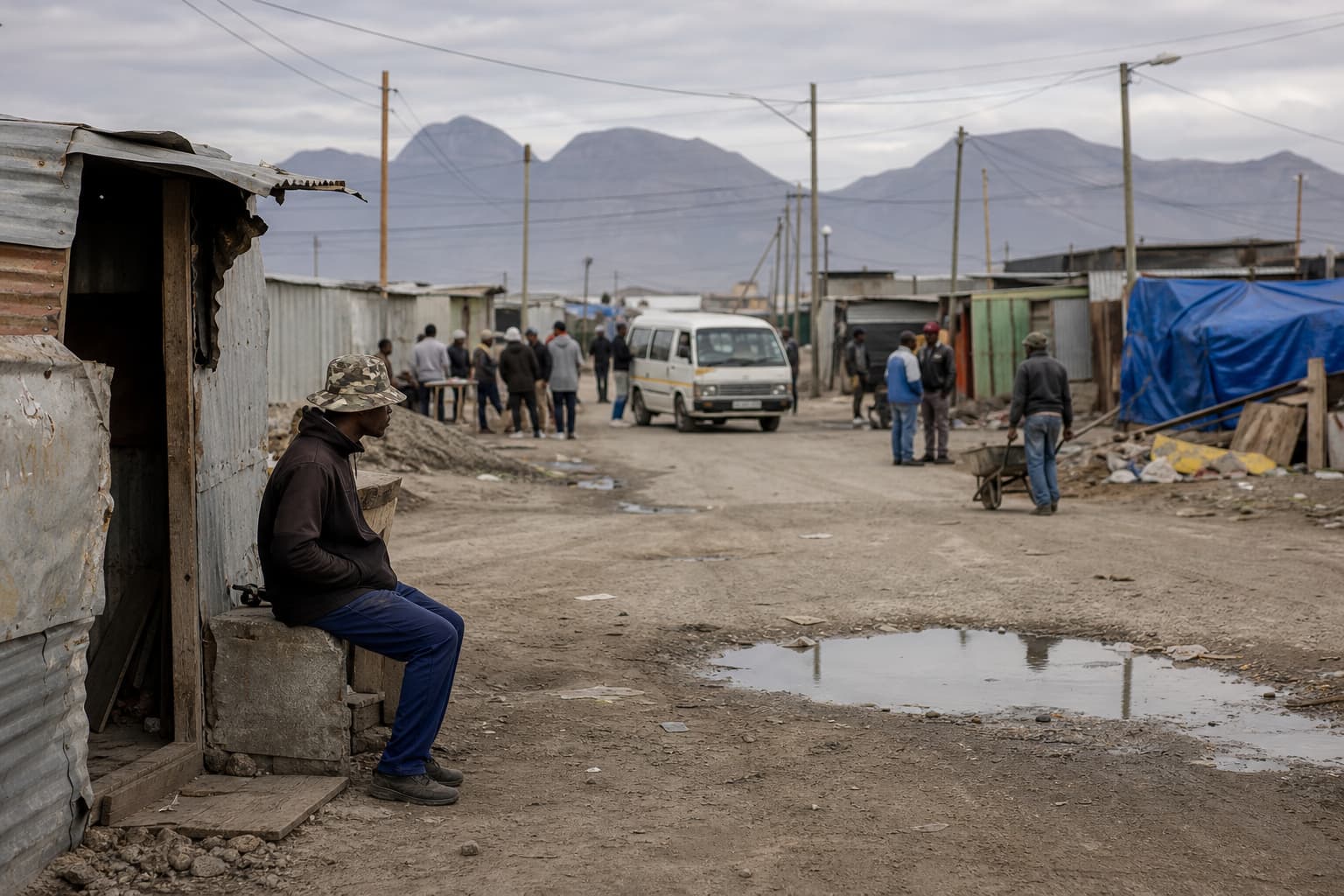
Extortion in Khayelitsha is being described by Newsroom ZA as a growing daily burden that is hitting more than just individual traders. The pressure is spreading across businesses, public projects and essential services, showing how a criminal threat can start to interfere with ordinary life in a township where many people already depend on fragile local services and small-scale trade.
According to EWN, the City of Cape Town has recorded more than 56 extortion-related challenges affecting projects across the metro this year. Safety and Security MMC JP Smith told the publication that providing security escorts could cost the City more than R300 million a year in operational expenses. That figure gives a sense of how much money is being pulled into protection rather than being spent directly on the work residents need.
The impact is showing up in the delivery of basic services. EWN reports that escorts are being requested for construction work, electricity repairs, drainage problems and medical emergencies. In other words, the problem is not limited to one sector. It can slow down or complicate the very jobs that keep communities functioning, from fixing power faults to getting emergency teams where they need to be.
The City has separately said its Law Enforcement Department handled an average of 890 escort requests a month during the 2025/26 financial year. Khayelitsha is among the areas where these protection measures have been needed. That points to a system under strain, where law enforcement support is becoming a regular part of delivering services rather than an exceptional response to a rare incident.
Community leaders told EWN that the problem has also reached clinics and emergency services. One clinic in Town Two was closed for almost two weeks earlier this year after threats affected operations. For residents, that kind of disruption can turn a local safety problem into a wider service failure, because people may be left without nearby care when they need it most.
The pressure is also being felt in the local economy. The Khayelitsha Development Forum told EWN that it receives complaints about extortion from business owners regularly. Some businesses have allegedly been told to surrender between 15% and 20% of their earnings. That kind of demand is especially damaging in a place where small margins matter and cash flow often determines whether a business keeps operating.
Khayelitsha Community Trust representative Mpumzi Mange told EWN that fear of retaliation makes it difficult to establish the full size of the problem because some victims do not want to report what is happening. EWN reports that Khayelitsha has about 3,500 informal businesses, which makes the effect of intimidation especially worrying for local livelihoods. When many businesses are informal, losses are not just an accounting issue. They can quickly affect food on the table, stokvel contributions and day-to-day survival.
Reporting is one of the biggest obstacles in tackling extortion. Western Cape police have previously acknowledged that reports to the province’s extortion hotline have been lower than expected. SAPS has a dedicated reporting channel for extortion cases and encourages victims and witnesses to share information confidentially. The City has also introduced anti-extortion reporting measures, including anonymous reporting and reward mechanisms.
Community representatives say that stronger cooperation between SAPS, the City and other law enforcement agencies is needed if extortion is to stop disrupting economic activity and public services. The message from the reporting is clear: the problem is not only about crime scenes or individual complaints. It is about whether businesses can trade, contractors can work and public services can reach the people who rely on them.
For Khayelitsha, the bigger risk is that extortion becomes normalised as part of doing business or delivering services. Newsroom ZA’s reporting shows a pattern of repeated demands, extra security costs and delayed or disrupted work. That combination puts pressure on both the state and the local economy at the same time.
Why it matters for South Africans
For South Africans, this story shows how extortion can move beyond private intimidation and start affecting public services, municipal spending and local jobs. When the City has to budget for escorts and clinics or repairs are delayed, ordinary residents pay the price in slower services and higher pressure on already stretched systems. Khayelitsha’s experience is a reminder that extortion can weaken both safety and the local economy at once.
What happens next
The next step is likely to depend on whether reporting improves and whether SAPS, the City and other agencies work more closely together, as community representatives are calling for. Newsroom ZA’s reporting suggests the existing channels for anonymous and confidential reporting will matter, but so will whether victims and witnesses use them often enough to build a clearer picture of the scale of the problem.
Written with AI assistance and human-edited by the Wize Owl desk, based on the credited reporting below.