Wize Owl Original · business
What the Gupta-linked mine convictions mean for rehabilitation money in South Africa
A Johannesburg High Court conviction has put the spotlight back on how mine rehabilitation funds are meant to work and what happens when they are diverted. Newsroom ZA报道s
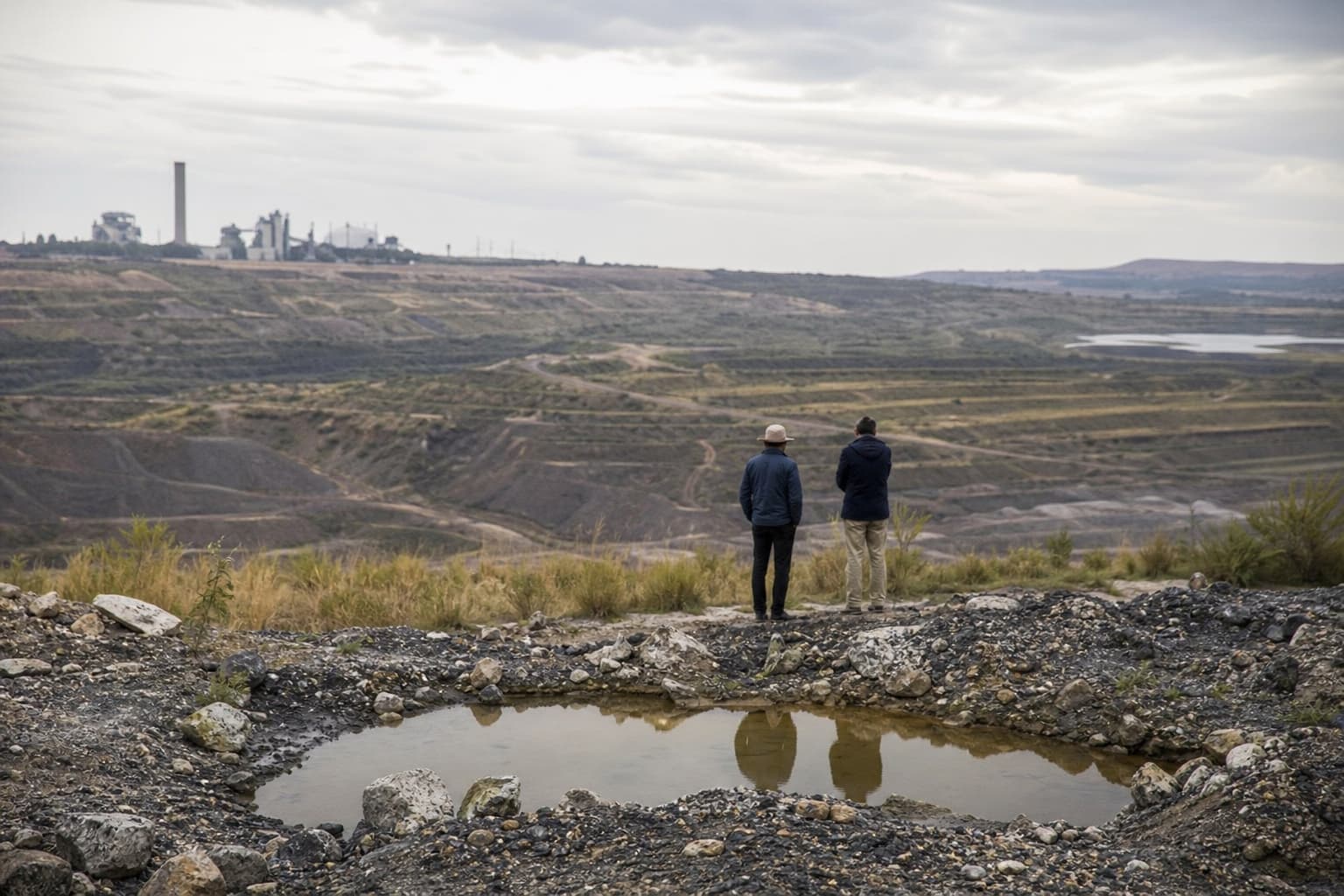
Newsroom ZA reports that the Gauteng High Court in Johannesburg has convicted two company directors and three mining companies linked to the Gupta network in a fraud and money laundering case involving R107.5 million. The convictions were confirmed by the National Prosecuting Authority and relate to money held in rehabilitation trusts for the Optimum and Koornfontein coal mines in Mpumalanga.
The court found Ronica Ragavan, Pushpaveni Ugeshni Govender, Optimum Coal Mine, Koornfontein Mines and Tegeta Exploration and Resources guilty on the charges. The NPA said the money came from trusts created to fund mine rehabilitation, which is the work needed to repair environmental damage caused by mining.
The prosecution’s version was that the funds should have stayed available for that purpose, but were instead used for mining contractors and other purposes. In practical terms, that means money set aside for environmental restoration was allegedly moved away from the job it was meant to do. The NPA said R7.5 million was tied to the Optimum Mine Rehabilitation Trust, while R100 million was linked to the Koornfontein Rehabilitation Trust.
Newsroom ZA reports that the case also dealt with how Tegeta came to control the mines and their trusts after acquiring Optimum and Koornfontein from Glencore in April 2016. The NPA said the Optimum trust held about R1.44 billion in February 2016, while the Koornfontein trust held R278.5 million. In the Koornfontein matter, part of the trust was pledged as security for a loan, after which R100 million moved through company accounts. The State said none of that R100 million was used for rehabilitation work.
One accused, former mineral resources deputy director-general Maleatlana Joel Raphela, was acquitted on all charges, according to the NPA. The case has now been postponed to 1 December 2026 for sentencing. Ragavan and Govender remain on bail until the matter is concluded.
The broader concern raised alongside the case is straightforward: rehabilitation funds are there to cover the clean-up costs that mining leaves behind. When that money is not protected, the damage can remain unpaid for years, with the burden shifting away from the companies and toward the land and communities affected by mining activity.
This conviction also shows how closely environmental protection and financial accountability are tied together in the mining sector. Mine rehabilitation is not an optional extra. It is meant to make sure that money is available when pits, waste and other environmental impacts need to be dealt with after mining ends. The NPA’s case says that system was undermined here.
For South Africans, especially in mining-affected areas, the outcome matters because these funds are supposed to protect land, water and local safety long after the coal has been dug out. If the money disappears, communities can be left with the consequences while the promised repair work is delayed or never done.
Why it matters for South Africans
This case matters because it concerns money that was meant to pay for environmental repair after mining. For South Africans living near mines, rehabilitation funds are part of the protection against polluted water, unsafe land and long-term damage. A conviction in a case like this shows that the state is treating the handling of these funds as a serious criminal matter, not just a bookkeeping problem.
What happens next
The next step is sentencing, set down for 1 December 2026. Until then, Ragavan and Govender remain on bail, and the court process is not yet fully complete.
Written with AI assistance and human-edited by the Wize Owl desk, based on the credited reporting below.