Wize Owl Original · money
Transport Costs Are Blocking Young South Africans From Job Interviews
Newsroom ZA, drawing on Jobjack’s 2026 Jobseekers Report as reported by The Citizen, shows how transport costs, printing fees and long travel times are shaping the job-hs
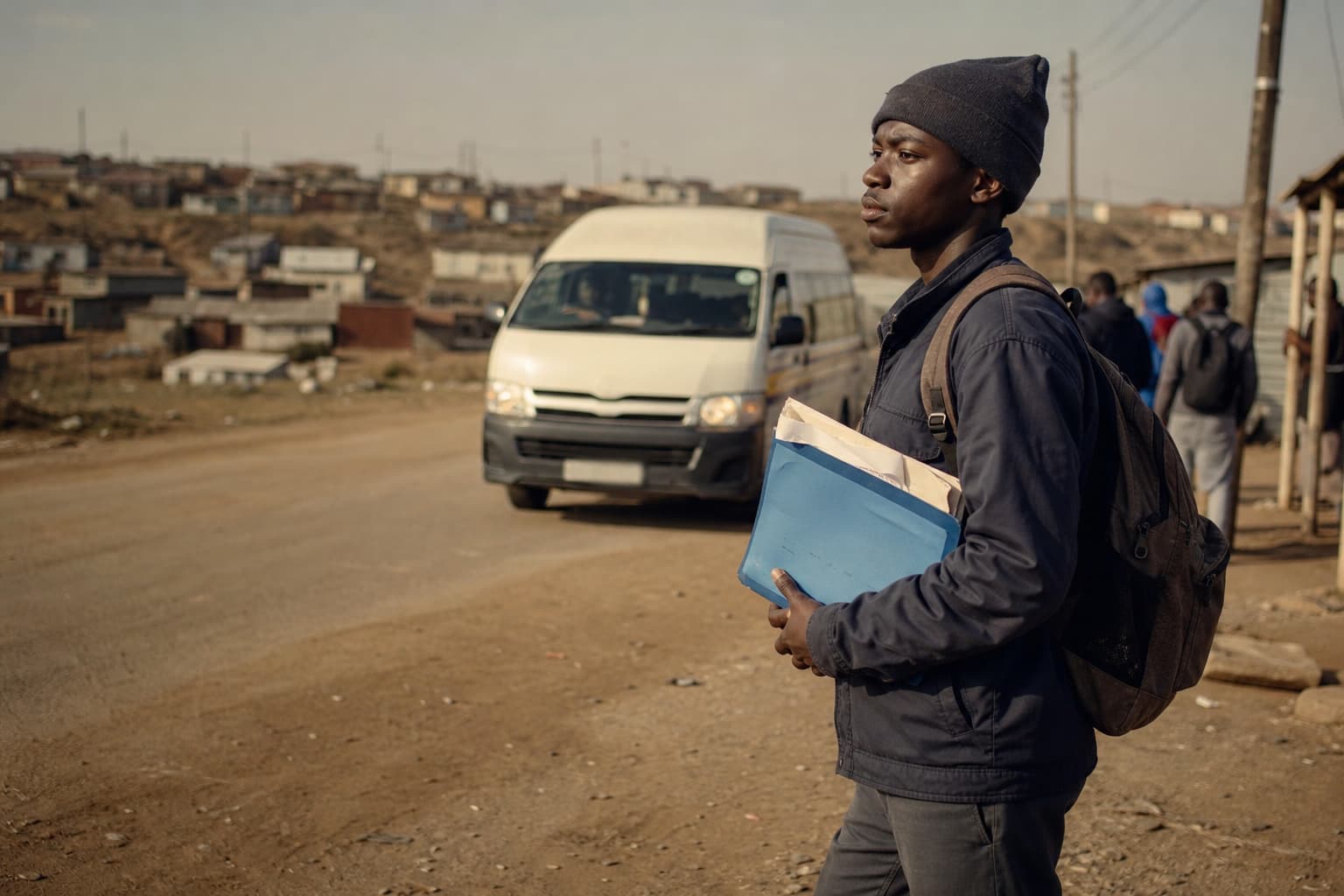
For many young South Africans, getting an interview is no longer just about finding the right vacancy. Newsroom ZA reports, based on The Citizen’s coverage of Jobjack’s 2026 Jobseekers Report, that transport costs are keeping some candidates from showing up at interviews at all. The report found that 36% of people who missed interviews said they could not afford the trip.
The scale of the problem becomes clearer in the numbers behind the report. Jobjack analysed 4.9 million job applications submitted by 867,700 users between July 2025 and July 2026. According to The Citizen, only 6,566 of those applications resulted in appointments. That points to a job market where many applications are being made, but very few lead all the way to a formal meeting between employer and applicant.
The report also suggests that the costs of looking for work begin long before an interview date is set. According to The Citizen, 48% of more than 5,000 respondents said they had been searching for work for longer than a year. Another 28% said they had to walk to areas where potential employers were based. In practical terms, that means the search for work can involve repeated travel, time and physical effort before any job offer is even on the table.
Jobjack found that jobseekers could spend around R500 on transport and printing while submitting CVs. That figure matters because it shows how the price of being considered for work can pile up even before a person is hired. Jobjack co-founder and CEO Heine Bellingan told The Citizen that transport costs, data-heavy application systems, printing requirements and job scams were among the barriers making recruitment harder. In other words, the process itself can be expensive and difficult to navigate.
The pressure does not end once someone gets through the door. According to the report, successful applicants could spend up to 30% of their earnings on transport after securing work. Jobjack also recorded a 40% self-reported annual churn rate among frontline workers, with transport among the pressures affecting retention. That suggests transport is not just a barrier to getting hired. It can also make it harder to stay employed.
The report also looked at what jobseekers value when deciding whether to take work. It found that 82% listed growth opportunities as a key consideration, while location was cited by 38% and salary by 37%. That mix shows that jobseekers are weighing more than pay alone. Where a job is located can carry real weight, especially when the cost of getting there cuts into already limited income.
Youth Capital project lead Buhlebethu Magwaza told The Citizen that young people could spend as much as R1,400 a month looking for work. She called for subsidised transport, employment hubs and free printing and application services to reduce the cost of job hunting. Magwaza also pointed to public employment programmes as one way to help young people gain paid experience, practical skills and references, while stronger partnerships between government, employers and training institutions could make the route into work clearer.
Jobjack’s report also found that applicants with previous work experience were 11 times more likely to be hired. That finding underlines how experience can shape access to the labour market, especially for people trying to move from one application to the next without a stable income. Taken together, the report paints a picture of job hunting as a process that can be expensive, slow and uncertain, with transport costs sitting at the centre of the struggle.
Why it matters for South Africans
For South Africans, especially young people trying to get a first foothold in the labour market, this report shows that unemployment is not only about the number of jobs available. The cost of reaching interviews, printing documents and travelling to employers can decide who gets considered and who is left out. When transport eats into jobseekers’ budgets before they even start working, the search for employment becomes harder to sustain and the gap between effort and opportunity widens.
What happens next
The report strengthens the case for practical support around job access, including cheaper transport options, local employment hubs and free application services. It also keeps attention on how employers, government and training institutions can help jobseekers build experience and clearer pathways into work.
Written with AI assistance and human-edited by the Wize Owl desk, based on the credited reporting below.