Wize Owl Original · sport
Champions Cup moves to curb replay bias in knockout rugby
The Investec Champions Cup and EPCR Challenge Cup will use independent TV replay operators in the knockout rounds to reduce concerns that broadcast choices could shape T0
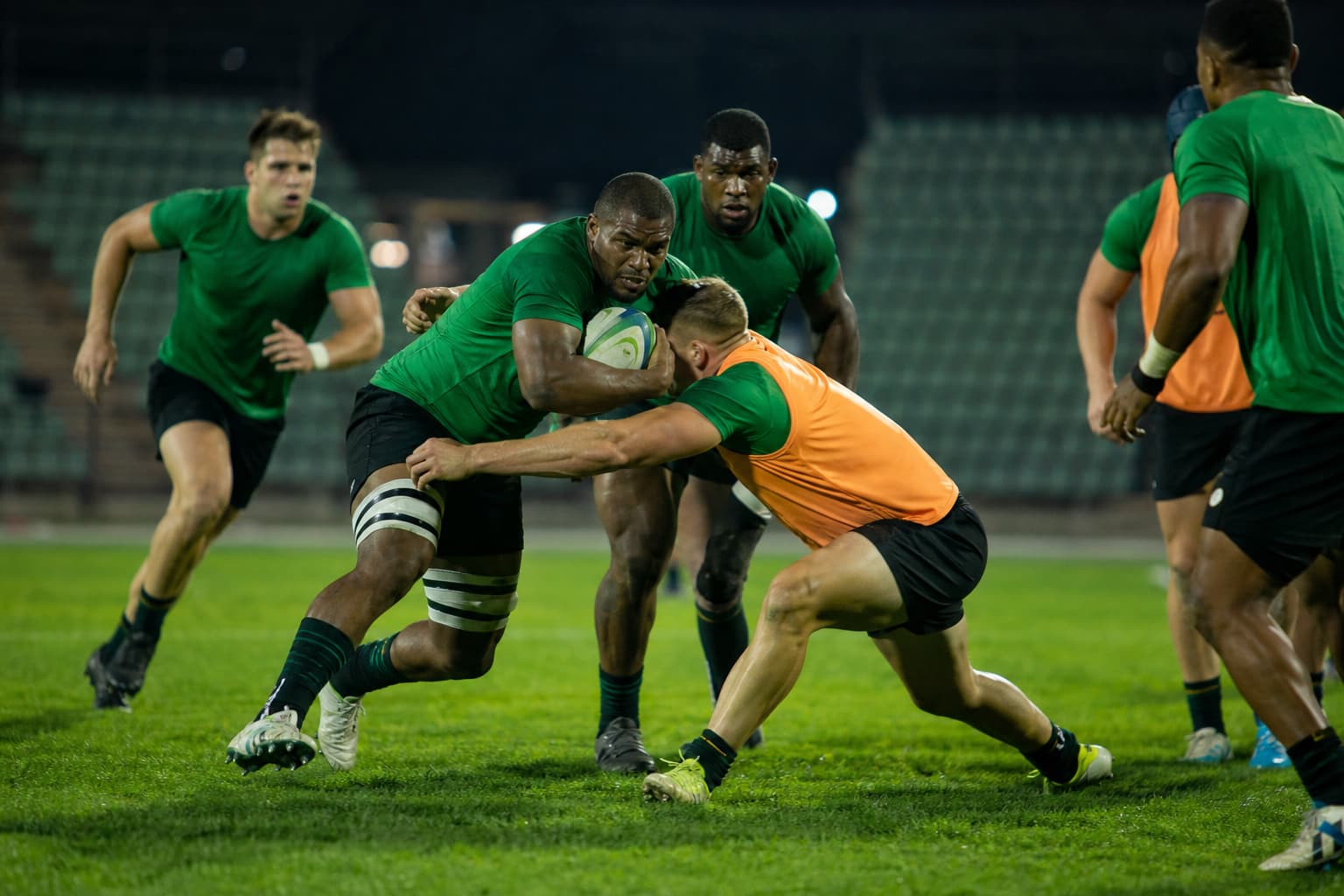
The Investec Champions Cup and EPCR Challenge Cup have changed how television replays are handled for their knockout stages. From the last-16 onward, independent TV replay operators will be responsible for finding and selecting the footage shown to the TMO, according to SA Rugby Mag.
The purpose is straightforward: reduce concern that replay selection could influence important decisions. In rugby, the TMO relies on camera angles and replay clips to help referees judge incidents such as foul play or head contact. If the wrong footage is shown, or key angles are held back, the process can be questioned even when no one can prove there was an intention to interfere.
SA Rugby Mag reports that French TV directors have particularly faced accusations in the past of withholding or delaying replays that might have reflected badly on French sides. That concern has now prompted a structural change. Under the new set-up, host broadcasters no longer control which replays or camera angles reach the TMO.
The issue is not abstract. In last season’s Champions Cup semi-final, Bordeaux Bègles beat Bath 38-26, but Bath No 8 Alfie Barbeary was involved in three high tackles, including direct head-on-head contact from Bordeaux scrumhalf Maxime Lucu. SA Rugby Mag says the best replay angles were not shown. Bath coach Johann van Graan said afterwards that referees needed the footage required for such a contest.
The new arrangement is meant to remove the appearance that broadcasters could tilt big decisions toward the home side. By placing the replay task with neutral operators, the competitions are trying to make the review process look and feel more even-handed. That matters because TMO decisions can shape the rhythm and outcome of a tight knockout match.
The Champions Cup and Challenge Cup are not changing everything at once. SA Rugby Mag says the independent replay system will only be used in the knockout rounds, while the existing process remains in place during the pool phase. The reason is cost. Running neutral operators across the whole competition would be more expensive, so the organisers have limited the change to the matches where pressure is highest and decisions are often most sensitive.
The move also brings the two European competitions into line with the United Rugby Championship, where independent replay operators already form part of the match-day set-up. In practical terms, that means the Champions Cup and Challenge Cup are adopting a model that is already familiar in another major competition.
For readers, the basic point is that this is a technical change with a bigger fairness aim behind it. Rugby has always depended on the quality of the evidence shown to the referee. If the footage is incomplete or selectively presented, the review system can come under fire. The new structure tries to protect the process by separating the people who broadcast the game from the people who decide what the TMO sees.
SA Rugby Mag frames the change as a response to long-standing tension around replay control, especially in matches involving French sides. By removing host broadcasters from the decision-making chain in the knockout rounds, EPCR is trying to make the most scrutinised moments of European club rugby less open to suspicion.
Why it matters for South Africans
The Investec Champions Cup and EPCR Challenge Cup will use independent TV replay operators in the knockout rounds to reduce concerns that broadcast choices could shape T0
What happens next
Wize Owl will follow the credited reporting and update this explainer when verified new information becomes available.
Written with AI assistance and human-edited by the Wize Owl desk, based on the credited reporting below.